Rituals of Bharath

Unveiling the significance and practices of our sacred traditions.

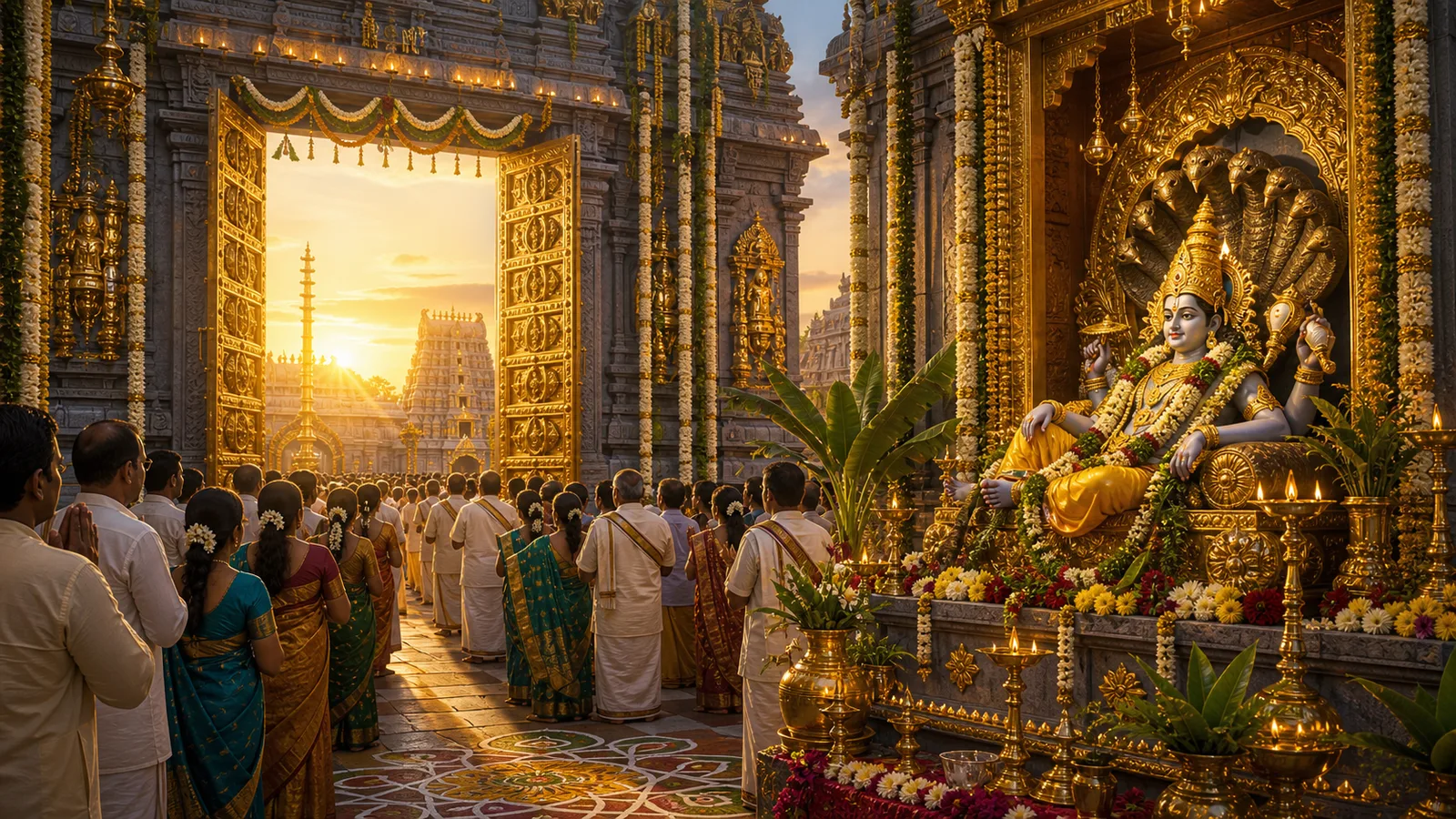
Vaikuntha Ekadashi
Vrata (Fasting Observance)
Hinduism (Vaishnavism, especially the Sri Vaishnava tradition. Observed most widely in Tamil Nadu, Andhra Pradesh, Telangana, Karnataka and Kerala.) Lord Vishnu (as Sri Ranganatha, Sri Venkateswara and Narayana), along with Goddess Lakshmi.

Vaikuntha Ekadashi

Vaikuntha Ekadashi is observed on the Shukla Paksha Ekadashi (11th day of the waxing moon) in the month of Margashira (Dhanurmasa), usually falling in December or January. It is believed that the gates of Vaikuntha, the abode of Lord Vishnu, are open on this day, and devotees who fast and pray with devotion are blessed with liberation (moksha).

Explore Ritual
Makar Sankranti/Pongal/Uttarayan
Harvest Festival
Hinduism (Vaishnava, Shaiva and Saura traditions, observed across India and by the Indian diaspora, with strong regional forms in Tamil Nadu, Andhra Pradesh, Telangana, Karnataka, Maharashtra, Gujarat, Punjab, Assam and Bengal) Surya Deva (the Sun God) is the principal deity. Others honoured include Indra (rain), Lord Vishnu, Lord Shiva, Shani (Saturn, lord of Makara), Goddess Ganga, Goddess Lakshmi, and the cattle (Gau Mata) in Mattu Pongal and Kanuma.

Makar Sankranti/Pongal/Uttarayan

Makara Sankranti marks the day the Sun enters Makara Rashi (Capricorn) and begins its northward journey (Uttarayana). Celebrated around 14 or 15 January, it honours the Sun, the harvest and cattle. In Tamil Nadu it is celebrated as the four-day Pongal festival, with the sweet Pongal dish offered to Surya at sunrise.

Explore Ritual
Naraka Chaturdashi/Choti Diwali
Diwali Observance
Hinduism (Vaishnava and Shakta traditions, observed across India, with regional variations) Lord Krishna and Satyabhama (slayers of Narakasura), Yama Dharmaraja (lord of death), and Goddess Kali in Bengal and parts of Gujarat. In some regions Lakshmi and Hanuman are also worshipped.

Naraka Chaturdashi/Choti Diwali

Naraka Chaturdashi is observed on the Krishna Paksha Chaturdashi (14th day of the waning moon) of the month of Ashwayuja or Kartika, the day before the main Diwali Amavasya. It celebrates the victory of Krishna over the demon Narakasura and the triumph of light over darkness. Devotees take an early-morning oil bath, light lamps and pray for protection from untimely death and misfortune.

Explore Ritual
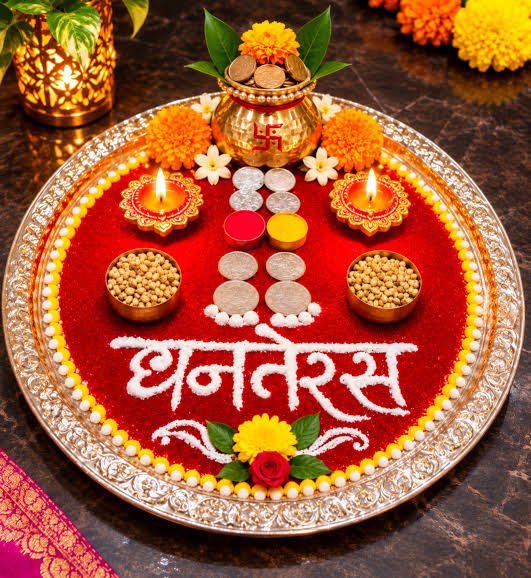
Dhanteras Puja (Dhana Trayodashi)
Festival Ritual
Hinduism (Sanatana Dharma), observed across India, especially in North, West and Central India Goddess Lakshmi, Lord Kubera, Lord Dhanvantari and Lord Yama (Yama Deepam)

Dhanteras Puja (Dhana Trayodashi)

Dhanteras, also called Dhana Trayodashi, is celebrated on the 13th lunar day (Trayodashi) of the Krishna Paksha of the Hindu month of Ashwin (Purnimanta) or Kartika, two days before Diwali. Devotees worship Lakshmi, Kubera and Dhanvantari for wealth, health and prosperity, buy gold, silver or new utensils, and light a lamp for Yama in the evening.

Explore Ritual
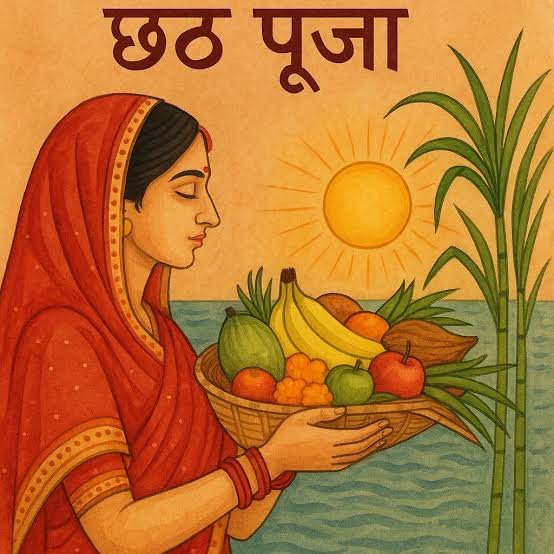
Chhath Puja
Festival Rituals / Surya Upasana (Sun Worship)
Hinduism (Vedic Sun worship, widely observed in Bihar, Jharkhand, eastern Uttar Pradesh, Nepal’s Terai and parts of Delhi and Mumbai) Surya Dev (Sun God) and Chhathi Maiya (Usha, the dawn goddess)

Chhath Puja

Chhath Puja is a four-day festival dedicated to Surya Dev and Chhathi Maiya. Devotees observe a strict fast, including a waterless fast of about 36 hours, and offer arghya to the setting and rising sun on riverbanks, giving thanks for life, health and prosperity.

Explore Ritual
Ganga Arati
Worship / Puja (River Worship)
Hinduism (Sanatana Dharma), practiced across Shaiva, Vaishnava and Shakta traditions Goddess Ganga (Ganga Maa). Shiva (who bears Ganga in his locks) is often honored alongside her.

Ganga Arati

Ganga Arati is a daily evening ritual in which priests offer fire lamps, incense, flowers, chants and music to the river Ganga, honoring her as a living goddess. It is performed at ghats such as Varanasi, Haridwar and Rishikesh.

Explore Ritual
Ko-jagiri Purnima/Sharad Purnima
Festival / Vrat (Fasting and Worship)
Hinduism (Vaishnava, Shakta, Smarta traditions; widely observed in Maharashtra, Gujarat, Bengal, Odisha, Mithila, Braj and North India) Goddess Lakshmi (primary), Lord Vishnu, Lord Krishna (Raas Leela), Chandra Dev (Moon God), and in some regions Indra and Kartikeya

Ko-jagiri Purnima/Sharad Purnima

Ko-jagiri Purnima (Sharad Purnima) is the full moon night of the Hindu month of Ashwin (Sept-Oct), marking the end of the monsoon. Devotees worship Goddess Lakshmi, stay awake through the night, and offer kheer (milk-rice pudding) in the moonlight, which is believed to carry healing nectar.

Explore Ritual
Karva Chauth
Vrat (Fasting Ritual) / Festival
Hinduism. Observed mainly in North and Central India (Punjab, Haryana, Delhi, Uttar Pradesh, Rajasthan, Madhya Pradesh, Himachal Pradesh). Goddess Parvati, Lord Shiva, Lord Ganesha, Lord Kartikeya, and Chandra Dev (the Moon). Goddess Karva Mata is also worshipped.

Karva Chauth

Karva Chauth is a one-day Hindu fast in which married women abstain from food and water from sunrise until moonrise, praying for their husband’s long life, health and prosperity. It falls on the Chaturthi of Krishna Paksha in the month of Kartik (Purnimanta calendar).

Explore Ritual
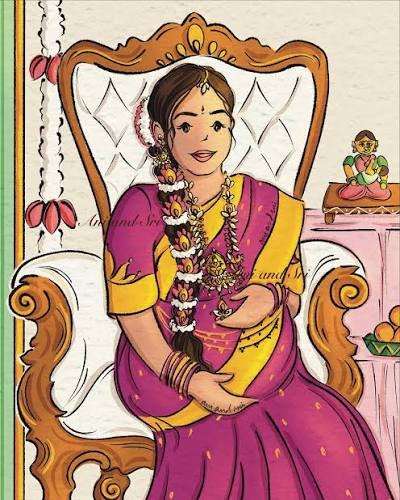
Godh Barai/Seemantham
Samskara (Rite of Passage) / Pregnancy Ritual
Hinduism. Seemantham is a Vedic samskara, mainly followed in South India. Godh Bharai is a popular folk celebration, mainly in North and Central India. Hinduism. Seemantham is a Vedic samskara, mainly followed in South India. Godh Bharai is a popular folk celebration, mainly in North and Central India.

Godh Barai/Seemantham

Seemantham and Godh Bharai are ceremonies for an expectant mother, usually during her first pregnancy. They seek blessings for the safe delivery and good health of the mother and a healthy, virtuous child. Seemantham is the Vedic form with homa and mantras, while Godh Bharai is the festive form in which the mother’s lap is filled with fruits, sweets and gifts.

Explore Ritual
12