Our Heritage

About Us

Preserving the divine legacy and architectural marvels of ancient India for generations to come.

Our Mission

To comprehensively document, digitize, and share the profound history, intricate architecture, and spiritual significance of every temple across Bharat. We strive to be the ultimate educational and spiritual guide for pilgrims and heritage enthusiasts worldwide.

Our Vision

To rekindle the connection between the modern generation and our ancient roots. We envision a world where the scientific, cultural, and spiritual depth of Indian temples is universally recognized, respected, and preserved for eternity.

The Legacy

Importance of Indian Temple Heritage

Indian temples are unparalleled in their design, execution, and spiritual atmosphere. They were not built merely as structures of stone; they were conceived as living ecosystems, cosmic energy centers designed to elevate human consciousness.

Architectural Brilliance

Built without modern machinery, showcasing advanced geometry, metallurgy, and acoustic engineering.

Cultural Epicenters

Historically serving as centers for classical dance, music, education, and community governance.

Spiritual Science

Constructed precisely at locations with maximum positive magnetic and electric field lines from the earth.
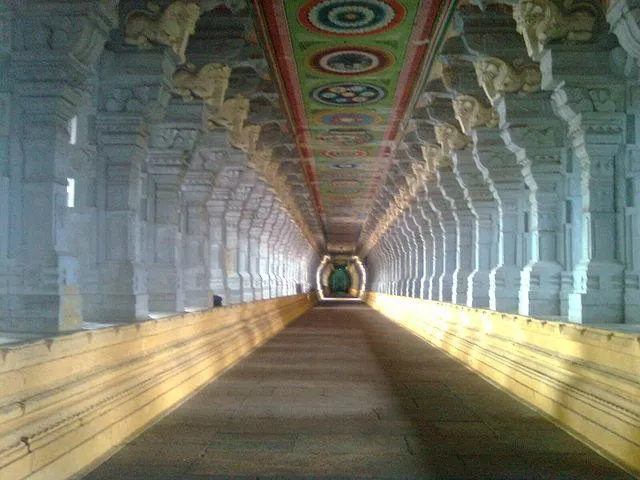
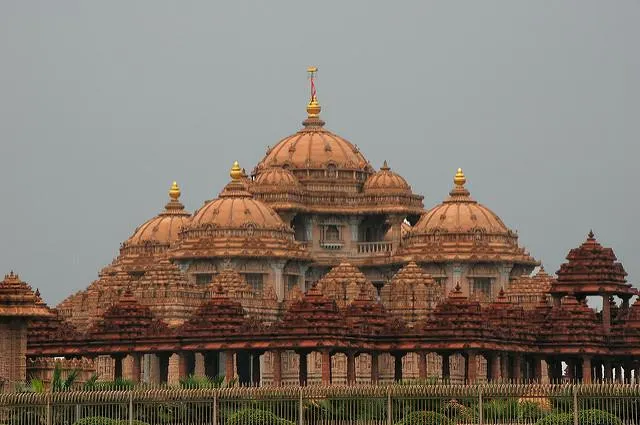
Temple Carvings Temple Rituals

The Vastness of Our Heritage

0
States Covered
0
Temples Documented
0
Years of History
0
Divine Deities

Journey Through Eras

Timeline of Temple Architecture

Rigveda (c. 1500 - 1200 BCE)

Oldest of the four Vedas

Compiled by Vedic rishis; tradition credits sage Vyasa with later arranging the four Vedas. Contains 1,028 hymns (suktas) in 10 mandalas, composed by many rishi families over centuries. Signifies: praise and invocation of devas (Agni, Indra, Varuna, Soma). Preaches gratitude, cosmic order (Rta), and harmony with nature.

Samaveda (c. 1200 - 1000 BCE)

The Veda of melodies

Largely derived from Rigveda verses set to musical notation (Sama-gana). Compiled by udgatri priests; tradition links it to sage Jaimini, a disciple of Vyasa. Contains about 1,875 verses, mostly chants. Signifies: sound, music, and chant as a path to the divine. Preaches that devotion expressed through rhythm and melody elevates ritual worship to meditative experience.

Yajurveda (c. 1200 - 800 BCE)

The Veda of rituals

Compiled by adhvaryu priests who performed Yajna rituals. Tradition credits sage Vaisampayana (a Vyasa disciple) with its transmission. Exists in two main recensions: Krishna (Black) and Shukla (White) Yajurveda. Signifies: precise procedures and mantras for fire sacrifices. Preaches disciplined action (karma) performed exactly and with right intention as a means to sustain cosmic order.

Atharvaveda (c. 1000 - 800 BCE)

The Veda of everyday life

Latest of the four, compiled by the Atharvan and Angirasa priestly families. Tradition links its final arrangement to sage Sumantu, also a disciple of Vyasa. Contains about 730 hymns across 20 books. Signifies: practical and domestic life - healing, charms, protection, household duties, and philosophy. Preaches wellbeing in daily living, linking spiritual and material life.